

Table of Contents
- Step 1: How to Tell If an Online Clothing Store Is Legitimate
- Step 2: How to Choose the Right Clothing Size Online
- Step 3: Read Product Descriptions and Check Customer Reviews
- Step 4: Safe Payment Methods for Online Shopping
- Step 5: Review Shipping Costs, Delivery Times, and Online Clothing Return Policy Checklist
- Step 6: Protect Your Privacy and Account Security
- Step 7: Create Your Pre-Purchase Safety Checklist
- Frequently Asked Questions
Last Updated: October 7, 2026
Step 1: How to Tell If an Online Clothing Store Is Legitimate
Before you start buying clothes online safely, make sure the store is real. Fake stores look professional but steal your information and money. Spotting the difference takes just a few minutes.
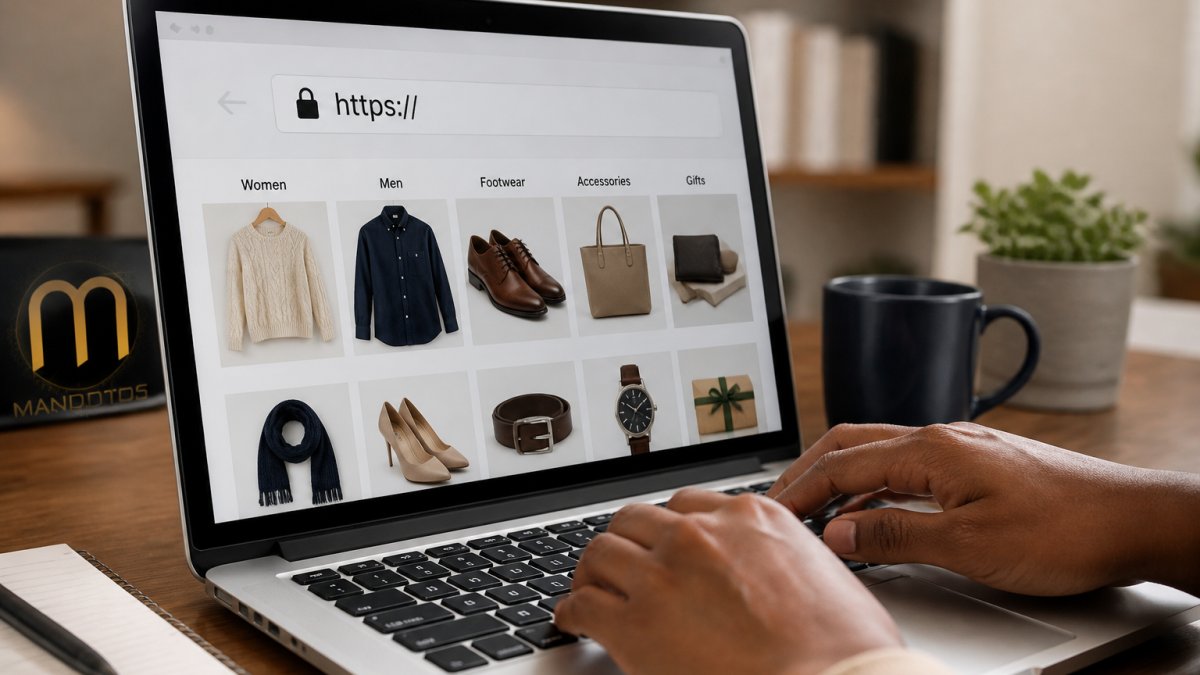
Check for secure website indicators
A legitimate online clothing store has visible security features. Look for a padlock icon next to the web address, which should start with "https://" not "http://", the "s" means secure.
Click the padlock icon; it should show the store's real name and security details. If you see a warning message instead, leave immediately.
Check the website's footer. Real stores list a physical address, phone number, and customer service email; missing or vague details are a red flag.
Identify counterfeit stores and phishing scams
Scammers copy popular clothing brands' websites perfectly. They use nearly identical logos, colors, and product photos.
Compare the website address carefully. Type it directly into your browser instead of clicking a link.
Look for spelling and grammar mistakes. Real clothing stores have professional writers. Broken English, odd phrasing, or typos suggest a scam site.
Scam sites often offer prices too good to be true. If designer clothes cost 70% less than everywhere else, it's probably fake.
Research the retailer and brand background
Search the store name plus "reviews" or "scam" in your browser.
Check the brand's official website directly. Does the online store you found appear in their list of authorized retailers? Contact the brand's customer service to confirm.
Look up the store's social media accounts. Real stores post regularly and interact with customers; fake stores have few followers, no recent posts, or stolen photos.
Step 2: How to Choose the Right Clothing Size Online
Sizing is the biggest reason people return clothes. Different brands use different measurements. What's a size 10 at one store might be a size 12 at another. Getting this right saves time and money.
Know your body measurements
Measure yourself before shopping. You need four key measurements: chest, waist, hips, and length.
Wear minimal clothing. Use a soft measuring tape, not a ruler. Keep the tape snug but not tight. Write down every measurement.
- Chest: Measure around the fullest part of your chest
- Waist: Measure around your natural waist, where your body bends
- Hips: Measure around the fullest part of your hips
- Length: For tops, measure from your shoulder to your desired hem. For pants, measure from your hip to your ankle
Save your measurements on your phone so they're instantly available when you shop online.
Compare measurements with size charts
Every clothing store has a size chart, usually near the product photos or in the product description. Find it before you buy.
Compare YOUR measurements to the chart, not the size you normally wear.
Check the measurement method: some charts measure chest width, others full circumference. The chart should explain which.
If your measurements fall between two sizes, read customer reviews to see whether the item runs small or large.
Understand sizing differences between brands
Premium brands often run small, fast-fashion brands run large, and European sizing differs from American. These differences matter.
Read the product description, which often notes whether the item fits true to size or runs small or large.
Check customer reviews for sizing patterns. If ten people say "I ordered a size 10 and it was too small," that's clear guidance.
Step 3: Read Product Descriptions and Check Customer Reviews
Product descriptions tell you what you're buying; customer reviews tell you if the description is honest. Together they prevent expensive mistakes.
Review fabric details and material composition
The material matters. Cotton breathes and lasts. Polyester is cheap and wears out faster. Wool keeps you warm but can itch.
Check the care instructions, machine washable, dry clean only, prone to shrinking? If care is complex or expensive, factor that into your decision.
Look for fabric weight: heavier fabrics last longer, while lightweight ones feel comfortable in summer but wear out faster.
Study customer photos and honest feedback
Customer photos show the real product, wrinkles, fit, and actual colors under real lighting, while official photos are edited and perfect.
Read reviews from people with your body type, since a similar build makes feedback more useful.
Pay attention to negative reviews, real stores have some.
Ignore reviews that seem fake. Glowing five-star reviews with no detail, or angry one-star reviews with no specifics, are often not from real customers.
Step 4: Safe Payment Methods for Online Shopping
How you pay affects what happens if something goes wrong. Some payment methods protect you better than others.
Choose secure payment options
Debit cards offer less protection: your bank might help, but you lose access to your money immediately and refunds take longer.
Digital wallets like Apple Pay or Google Pay add security because your actual card number never goes to the store, the wallet creates a temporary number instead.
Avoid wire transfers and money orders. Once you send the money, it's gone. No protection exists if the store doesn't deliver.
What to do after payment fraud
If you see unauthorized charges, act fast. Call your credit card company immediately. Report the fraudulent transaction.
Dispute the charge in writing. The credit card company will send forms; fill them out, return them, and keep copies of everything.
Change your password on any site where you used that card, since a hacked store may have other information about your account.
Check your credit report for unauthorized accounts opened in your name. You can get a free credit report from the official annual credit report website.
Consider placing a fraud alert on your credit. This makes it harder for criminals to open accounts in your name.
Step 5: Review Shipping Costs, Delivery Times, and Online Clothing Return Policy Checklist
Shipping costs and return policies can make or break an online purchase, so check them before you buy.
Understand shipping and delivery expectations
Most online clothing stores charge shipping, though some offer free shipping over a certain amount.
Check the shipping cost before you complete your purchase. Add it to the item price. Does the total still seem fair?
Look at delivery estimates: standard shipping might take 5-10 business days, while express costs more but arrives faster. Know which you're getting.
International orders take longer because customs can delay packages, expect 2-4 weeks, sometimes longer.
Track your package: real stores give you a tracking number.
Check return, exchange, and refund terms
Check who pays return shipping. Some stores include a prepaid label; others make you pay, which affects whether returning is worth it.
Understand the refund timeline: some stores refund immediately after receiving your return, while others take 5-10 business days.
Check if the store exchanges items or only refunds.
Look for restocking fees, which reduce your refund. The policy should state this clearly.
International orders and customs considerations
Check if the store handles customs paperwork, some do it for you, others don't, which affects how smoothly your order arrives.
Understand import duties: some countries tax imported clothing, adding 10-25% to your total cost. Research your country's import rules before ordering.
Some items can't be imported. Certain fabrics or dyes might be restricted. Check your country's import regulations for clothing.
Step 6: Protect Your Privacy and Account Security
Your personal information is valuable. Protect it carefully when shopping online.
Create a strong password for each online store: at least 12 characters mixing uppercase, lowercase, numbers, and symbols.
Never share your password. Real customer service never asks for it; if someone does, it's a scam.
Use a secure internet connection.
Be careful with your email address. Scammers use fake emails that look similar to real store emails.
Don't click links in emails; go directly to the store's website instead.
Step 7: Create Your Pre-Purchase Safety Checklist
Before buying anything online, run through this checklist. It takes two minutes and prevents most problems.
- Check the website has a padlock icon and starts with "https://"
- Search for store name plus "scam" or "reviews" and read the results
- Verify the store is authorized to sell the brand (contact the brand directly if unsure)
- Measure yourself and compare to the size chart
- Read at least five customer reviews, including negative ones
- Look at customer photos to see the real product
- Check the fabric content and care instructions
- Confirm the shipping cost and delivery time
- Read the return policy and restocking fees
- Use a credit card or PayPal for payment
- Save your order confirmation and tracking number
- Check your credit card statement within a week for unauthorized charges
Buying clothes online safely requires attention at every step: verify the store is legitimate, measure yourself correctly, and understand what you're buying before you pay. At Mandotos International, we make this easier by curating trusted brands and offering free shipping in the US on orders $50+, plus a straightforward return policy.
Frequently Asked Questions
How can I tell if an online clothing store is legitimate?
Look for a padlock icon in the browser address bar, check for clear contact information and physical address, read independent customer reviews, and verify the domain name matches the brand's official site. Legitimate stores display security badges, transparent return policies, and professional product descriptions. Avoid sites with poor grammar, no customer reviews, or unusually low prices that seem too good to be true. Research the retailer's background and check how long they've been in business.
What are the safest payment methods for online clothing purchases?
Credit cards and digital payment services like PayPal offer strong fraud protection because they allow you to dispute charges if something goes wrong. Debit cards provide less protection than credit cards. Never use wire transfers or gift cards, as these offer no recourse if the store is fraudulent. Use a secure, password-protected payment method and enable two-factor authentication on your account. Check your bank statements regularly and report unauthorized charges immediately.
How do I choose the right clothing size when buying online?
Measure yourself using a soft measuring tape around your chest, waist, hips, and inseam, then compare those measurements directly to the retailer's size chart, not standard sizing. Different brands fit differently, so check customer reviews mentioning fit (whether items run small, large, or true to size). Read the product description for fabric type, as stretch materials may fit differently than rigid fabrics. When in doubt, choose the larger size if you can return it easily.
What should I check in an online store's return policy before ordering?
Verify the return window (at least 30 days is standard), whether returns are free or require you to pay shipping, and if the store offers exchanges or refunds. Check whether items must be unworn with tags attached or if worn items are accepted. Confirm the refund timeline and whether you receive your original payment method or store credit. Look for a clear returns process with a prepaid label or return address. Avoid stores with no return policy or excessive restocking fees.